

Women's Health Physiotherapy
Expert care for incontinence, prolapse, pelvic pain and more

Your Path to Empowerment and Relief
We offer expert pelvic floor physiotherapy for women experiencing a range of conditions, including urinary and faecal incontinence, pelvic organ prolapse, pelvic pain and more.
Our compassionate and skilled physiotherapist, Nicky, is here to guide you on your journey to better pelvic health.
Things we can help you with:
- Urinary Incontinence & Bladder Overactivity: Whether you’re struggling with stress incontinence, urge incontinence and overflow incontinence, Nicky can provide tailored exercises and strategies to regain control and confidence.
- Faecal Incontinence: Let Nicky guide you through personalised exercises and techniques to manage and improve faecal incontinence, so you can enjoy life with fewer worries.
- Pelvic Organ Prolapse: Prolapse can sometimes be a worry for women. Nicky will help you feel more confident with your diagnosis, and offer you treatment and strategies that will help you manage symptoms and feel more comfortable in your daily activities.
- Symphysis Pubis Dysfunction (SPD) and Pelvic Girdle Pain (PGP): If SPD or pelvic girdle pain is affecting your life, Nicky will create a targeted treatment plan just for you. By helping to release overactive pelvic floor muscles, and calm the pelvic tissues, Nicky will help alleviate discomfort and improve your quality of life

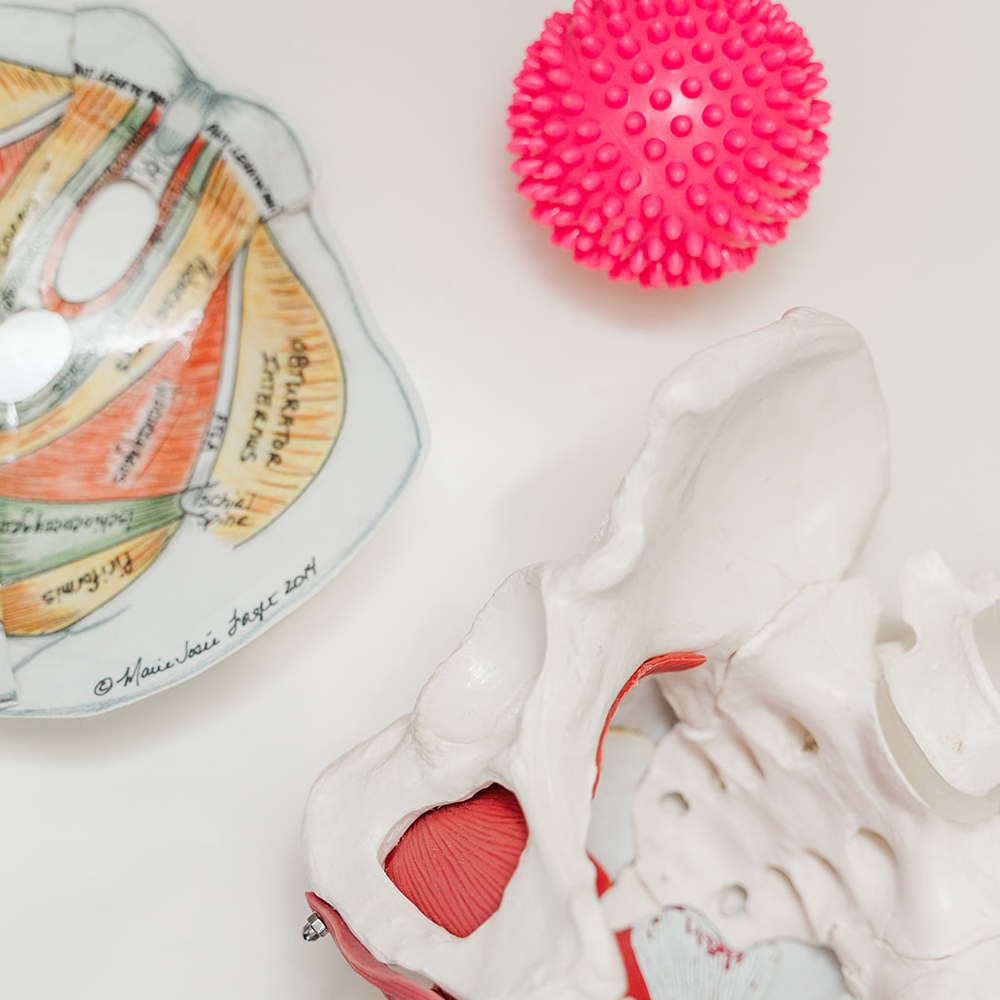
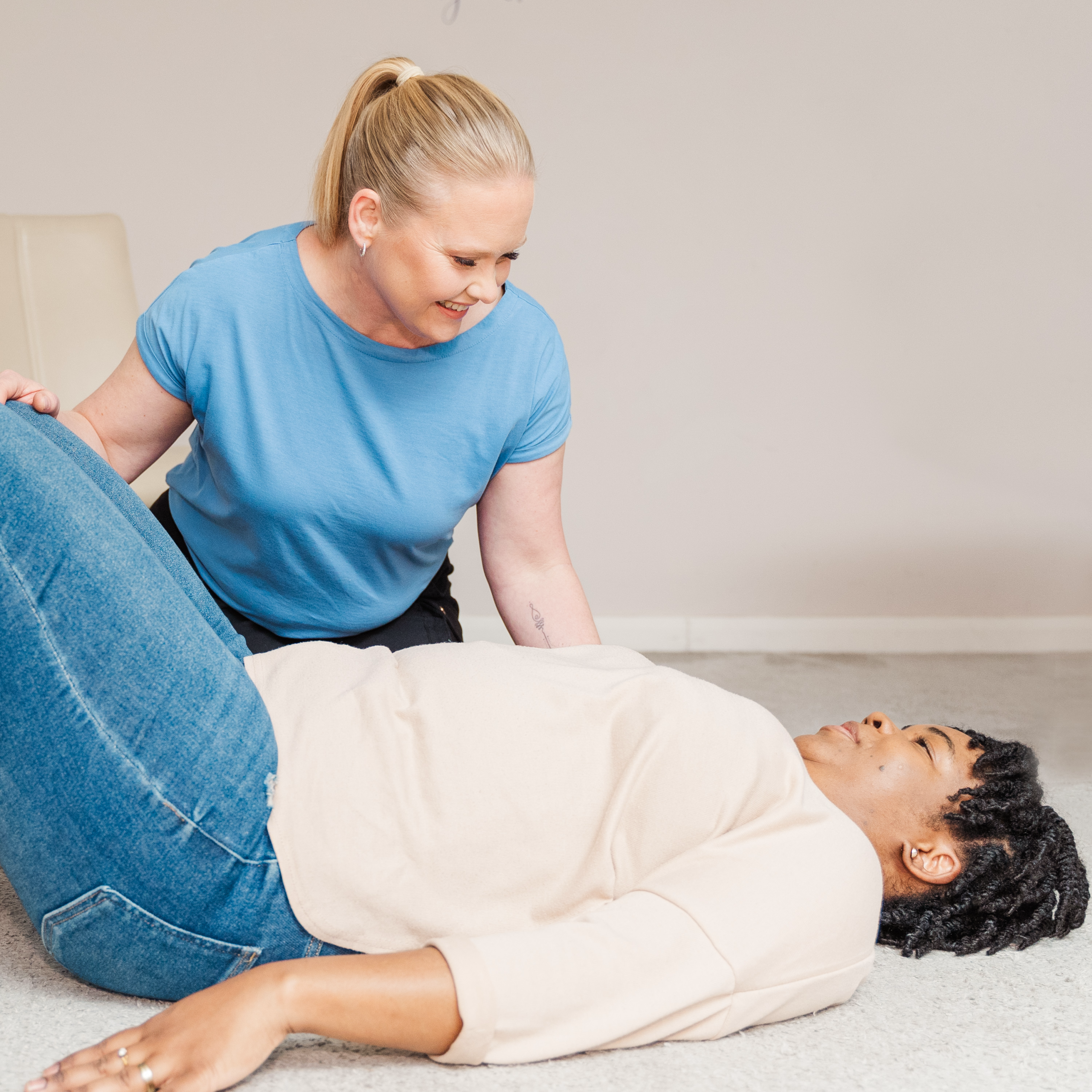
Understanding Your Pelvic Health
We believe knowledge is power when it comes to women's pelvic health. Nicky is dedicated to educating and informing you about your condition, helping you understand the causes and available treatment options. Through this collaborative approach, you'll become an active participant in your journey to better pelvic health.
How we help
Nicky blends her pelvic health physio skills with both her musculoskeletal and cranio-sacral therapy skills, to give you a tailored treatment that’s right for you. This may involve releasing tension in your back and hip muscles, internal release of your pelvic floor muscles (only if you are 100% ok with this) and gentle cranio-sacral releases to help calm your whole body. She will also offer you exercises to help stretch and strengthen your muscles, helping you regain relief from pain, incontinence and prolapse.
We get this can feel embarrassing….
We understand that discussing pelvic health issues can feel very personal and sometimes embarrassing. Nicky provides a safe and supportive environment where you can openly discuss your concerns and receive the guidance and support you need. At no point do you have to have a physical assessment if that feels too much – often talking and understanding your concerns can be very effective by itself. Nicky will ensure you feel safe and in-control of your treatment at all times, and help gently guide you to where you want to get to.
Our promise to you
We promise to always deliver a highly personalised and compassionate approach to your pelvic health concerns. This means you'll receive care and support that is not just realistic for you, but also the most beneficial.
Nicky will collaborate with you every step of the way, to ensure you have a plan of action that works for you and that you feel happy and confident with.
Don't let pelvic health issues hold you back any longer – book to see Nicky today
and let her help put your mind and body at ease.
FAQ

1. What can I expect during a women's health physiotherapy session?
Our women's health physiotherapy sessions provide a safe, understanding, and supportive environment. We'll discuss your concerns, conduct a thorough assessment, and create a personalised treatment plan. Our compassionate approach ensures your comfort throughout the process.
2. How do you assess my pelvic floor?
At Total Health Physiotherapy, we prioritise your comfort and consent throughout the pelvic floor assessment process. We offer an optional internal assessment, where we gently insert a single finger into the vagina to evaluate muscle performance. Rest assured, no speculums are involved.
During the assessment, we can also examine any episiotomy scars or tearing.
Remember, your well-being and comfort are our top priorities, so please communicate any concerns you may have. Oh, and don't worry about waxing, shaving, or vajazzling – we care about your health, not your hair!
3. How does physiotherapy help with pregnancy-related issues?
Physiotherapy can alleviate common pregnancy discomforts like back pain and pelvic pain through targeted exercises, manual therapy, and valuable advice on posture, movement, and relaxation techniques. We also help you prepare for labor by teaching breathing exercises and positions to manage pain.
4. How does physiotherapy help with pelvic floor dysfunction and pain?
Pelvic floor physiotherapy targets issues like bladder and bowel incontinence, pelvic organ prolapse, and sexual dysfunction. We use a combination of exercises, muscle release and other techniques to improve pelvic floor function, reduce pain, and restore confidence.
5. Is physiotherapy beneficial during menopause?
Physiotherapy can be incredibly helpful during menopause, as it focuses on managing symptoms like osteoporosis, joint pain, and hormonal changes. We provide tailored exercises, lifestyle advice, and support to promote overall health and well-being during this transformative phase of your life.
6. Isn’t it normal to leak a bit after having a baby?
Although it’s very common, no, it’s not considered normal. Our pelvic floor muscles should function well enough to control your urine at all times….even on the trampoline! By using pelvic release techniques and strengthening exercises, we can help you gain greater, if not total, control again. To understand the exact cause of your leaking, a 1:1 assessment with a women’s health physio can be invaluable.
7. Should I stop doing sport if I leak urine or have a prolapse?
The short answer is no! The key to continuing sport with these problems, is to make sure the exercise is scaled back to where you have control and no symptoms. As you improve your pelvic floor control, you can usually increase your level of exercise. Impact exercise, such as running and jumping can present more challenges, but often we are able help you get strong enough to return to these activities. Everyone is slightly different of course, which is why a 1:1 assessment is so important.
8. Can I have someone with me during my appointment?
Yes—your comfort is really important to us. For any assessments that feel more personal or intimate, you’re very welcome to bring someone you trust for support.
As a sole practitioner clinic, we’re unable to provide a chaperone, but you are welcome to bring someone with you if it would make you feel more comfortable. We’ll always explain everything clearly and make sure you feel fully in control throughout.
You can read more in our full chaperone policy.