

Exhausted and Alone?
Here’s Why So Many Mums Feel Burnt Out – And How to Cope

Loneliness & Disconnection for Women and Parents in the UK, 4-Part Blog Series
Part 1: Understanding Loneliness and Disconnection: Why It Matters More Than Ever
Part 2: Disconnection and Ways to Reconnect
Part 3: The Impacts of Loneliness and Disconnection on Health
Part 4: Disconnection and Loneliness Within Relationships - What to Do About It
Part 3: The Impacts of Loneliness and Disconnection on Health
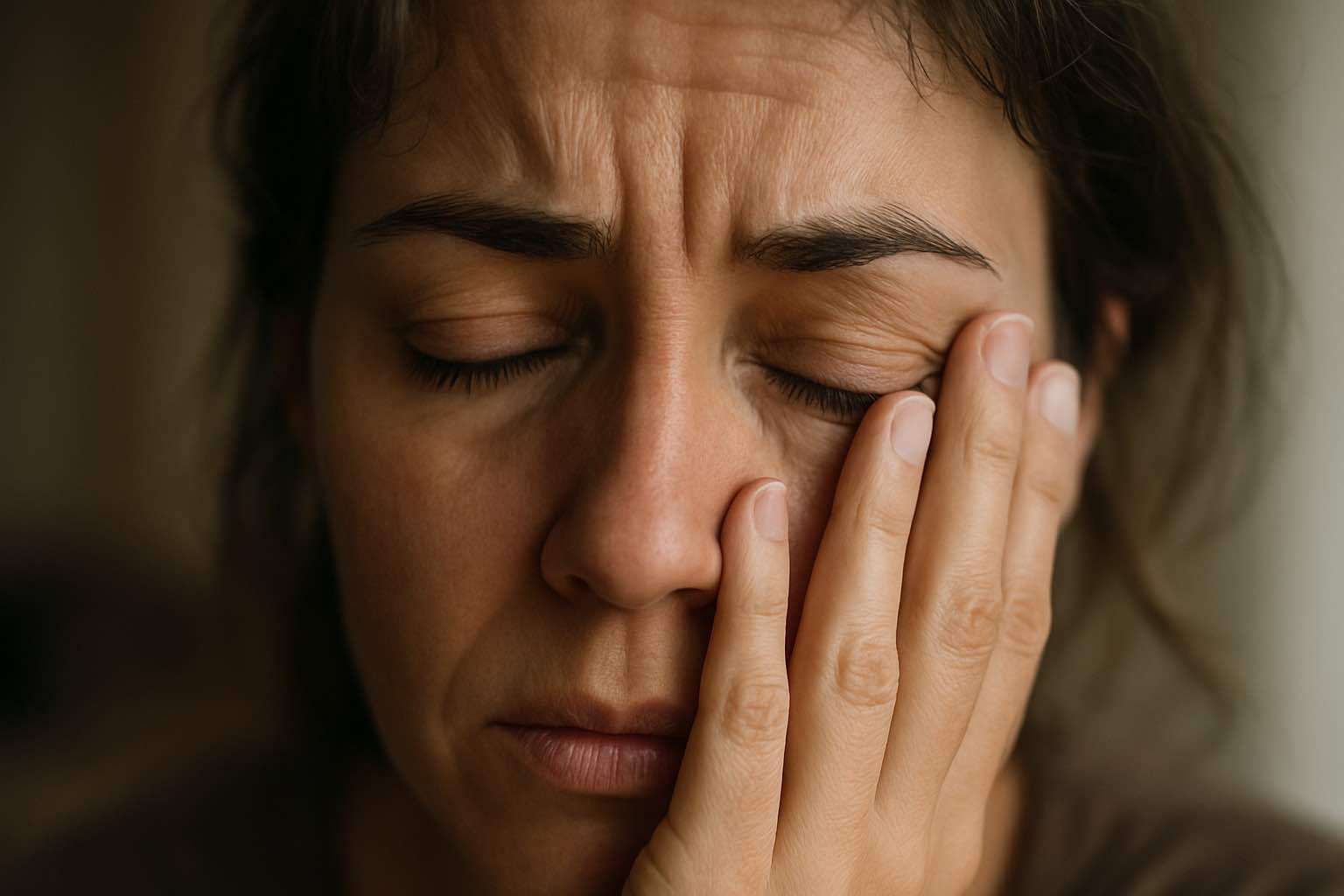
Loneliness and disconnection don’t just affect our emotional wellbeing. They also have profound and far-reaching impacts on our physical and mental health. For women and parents of young children, these effects can be especially acute. Juggling careers, childcare, looking after elderly relatives, domestic responsibilities, and the emotional labour of parenting often leaves little room for genuine connection with ourselves or others. If you've felt like you're running on empty, unable to feel joy or even sadness, you are not alone. This is not just a mental health concern, it's a whole-body, whole-life issue that needs attention.
In this third part of the blog series, we will explore how loneliness and disconnection affect your health, why it's more common than you think (especially in women and caregivers), and what signs to look out for.
Why This Matters More Than Ever
Over the past decade, and particularly since the pandemic, loneliness has been recognised as a significant public health issue. In fact, in the UK, loneliness has become so prevalent that the government appointed a Minister for Loneliness in 2018 and helped establish the Tackling Loneliness Hub. Research from the Campaign to End Loneliness found that over 3 million people in the UK often feel lonely, and parents, particularly mothers, are at high risk.
A 2023 study by the Office for National Statistics (ONS) highlighted that one in four parents of children under five report feeling "often or always lonely". For stay-at-home mums or dads, that number is even higher. When you are surrounded by the chaos of nappies, nap schedules, and school runs, it’s easy to feel like your own identity has vanished. You can be physically surrounded by your children yet still feel utterly, desperately alone.
Loneliness and Physical Health: More Than Just a Feeling
Let’s start with how loneliness affects your physical health. A study published in "Heart" (a BMJ journal) showed that loneliness can increase the risk of heart disease by 29% and stroke by 32%. Chronic loneliness and social isolation can be as harmful as smoking 15 cigarettes a day.
Here’s why:
- Inflammation: Loneliness increases levels of stress hormones like cortisol and inflammatory proteins in the body, which are linked to chronic diseases such as arthritis, type 2 diabetes, and cardiovascular issues.
- Poor Sleep: Many lonely people report difficulty falling or staying asleep. Poor sleep can affect everything from immune function to hormone balance.
- Immune Suppression: Chronic loneliness weakens the immune system, making you more susceptible to infections and slowing healing.
- Sedentary Behaviour: People who feel lonely are more likely to engage in sedentary activities like excessive screen time or comfort eating, which can negatively impact physical health.


Mental Health Consequences
It may not surprise you that loneliness and disconnection can also lead to serious mental health challenges:
- Anxiety and Depression: According to Mind, the UK mental health charity, loneliness is strongly linked to both anxiety and depression. The longer you feel lonely, the more likely these conditions are to take hold.
- Lowered Self-Esteem: Feeling disconnected from your own life and purpose can erode your sense of self-worth.
- Burnout and Emotional Exhaustion: Parents, particularly mothers who often shoulder the emotional load, are at high risk of burnout when loneliness compounds everyday stress.
- Disassociation and Numbness: Persistent loneliness can create a state where you feel emotionally flatlined, detached from your body or surroundings.
If you’ve caught yourself thinking, “I should be happy, but I just feel numb,” or “No one really sees me,” you may be experiencing the mental health effects of disconnection. And again, you’re not alone. These are not signs of weakness - they’re signals that your body and mind need care and reconnection.
Why Parents and Women Are Especially Vulnerable
There are several key reasons why parents, and particularly mothers, are more likely to struggle with disconnection and loneliness:
- Loss of Identity: Motherhood often brings immense joy but also a loss of personal identity. The focus shifts entirely to the children, and it becomes easy to forget who you are beyond being a mum.
- Time Poverty: Between school runs, work, cooking, cleaning, and caring, there is rarely any time left for self-reflection or meaningful adult connection.
- Emotional Labour: Women often carry the emotional weight of the household, managing not just physical tasks but also the mental load of keeping everything running smoothly, as well as caring for the emotional needs of the rest of the family.
- Cultural Expectations: Society places a lot of pressure on mothers to be everything to everyone. Admitting to feelings of loneliness or disconnection can be seen (wrongly) as a failure.
- Partner Disconnect: As we'll explore more deeply in Part 4, relationship disconnection can exacerbate loneliness. If your partner isn’t emotionally present or attuned, you may feel even more isolated.
The Body's Alarm System
In the brilliant book "Together" by former U.S. Surgeon General Dr. Vivek Murthy, he likens loneliness to hunger or thirst. It is a biological signal - your body’s way of saying something vital is missing. If ignored, these feelings can escalate into chronic stress responses, changing the way your brain processes emotions and social cues.
Dr. Murthy explains how our brains perceive loneliness as a threat to survival. After all, we evolved in tribes; isolation meant danger. This is why lonely people can become hypervigilant, anxious, or distrustful. They may pull away even more, reinforcing the cycle of disconnection.
What Are the Warning Signs?
Here are some signs that loneliness and disconnection might be impacting your health:
- You feel tired all the time, despite sleeping.
- You find yourself easily irritated or overwhelmed.
- You get sick more often or take longer to recover.
- You have trouble concentrating or remembering things.
- You don’t feel "present" in your own life.
- You avoid social events even though you want connection.

What Can You Do About It?
The good news is that reconnection is possible. Here are some practical steps that many parents and women find helpful:
- Talk to Someone You Trust: Saying “I’m not okay” to a friend can be a powerful first step.
- Make Time for Micro-Connections: Even brief chats with other mums at the school gate can lift your spirits.
- Move Your Body: Whether it’s a walk, yoga, or dancing in the kitchen, movement is a powerful tool for feeling grounded.
- Join a Group or Class: Pick something you genuinely enjoy - art, sport, reading. Shared interests foster organic connection.
- Volunteer: Many mums find volunteering (e.g. school PTA, charity shops, local food bank etc) brings a deep sense of community and purpose.
- Practice Self-Compassion: Try talking to yourself as you would to a close friend. Acknowledge what you're doing well and give yourself permission to need support.
A Personal Note
I’ve experienced loneliness more than once in my life. As a divorced single parent, there have been many times I’ve felt utterly alone, even while surrounded by others. But each time, I have found a way back to myself. It starts with noticing. Then naming. And then, slowly, gently, taking small actions to reconnect.
So if you recognise yourself in any of this, please know that you are not broken, you are not failing, and you are not alone. You are human. And you deserve connection.

What’s Next?
In Part 4 of this series, we’ll dive into one of the most complex and painful aspects of loneliness: what happens when you feel lonely inside your relationship. We’ll look at the emotional patterns that create distance between partners and how to begin rebuilding connection with both yourself and your significant other.
If you missed Part 2, where we looked at the root causes of disconnection and how to begin reconnecting, please take a moment to read that post. It will give you a helpful foundation for what we’re exploring here.
If this blog raised any feelings or thoughts for you, and you'd like some support, you can reach out to me for online or in-person help here: www.totalhealthphysiotherapy.com/contact/
And for more helpful resources, check out the Campaign to End Loneliness: www.campaigntoendloneliness.org/feeling-lonely/helpful-links/
You May Also Like...

Feel Like Flatmates, Not Lovers? How to Reconnect With Your Partner After Kids
Do you feel more like housemates than lovers? You’re not alone. Explore why relationships shift after children and how to rebuild intimacy and connection—without pretending everything’s fine. This post is a must-read for parents who feel distant.

Lost Yourself in Motherhood? 5 Powerful Ways to Reconnect With You
Lost Yourself in Motherhood? 5 Powerful Ways to Reconnect With You Loneliness & Disconnection for Women and Parents in the UK, 4-Part Blog Series Part 1: Understanding Loneliness and Disconnection: Why It Matters More Than Ever Part 2: Disconnection and Ways to...

Why Do Mums Feel Lonely? The Answer Might Surprise You – And Bring You Comfort
You’re not broken—you’re just disconnected. Explore why so many mums feel lonely, even when surrounded by family. This honest, empowering post reveals the hidden truths of modern motherhood and how to begin finding yourself again.
0 Comments