

Feel Like Flatmates, Not Lovers? How to Reconnect With Your Partner After Kids

Loneliness & Disconnection for Women and Parents in the UK, 4-Part Blog Series
Part 1: Understanding Loneliness and Disconnection: Why It Matters More Than Ever
Part 2: Disconnection and Ways to Reconnect
Part 3: The Impacts of Loneliness and Disconnection on Health
Part 4: Disconnection and Loneliness Within Relationships - What to Do About It
Part 4: Disconnection and Loneliness Within Relationships - What to Do About It
We often think of loneliness as something we experience when we’re physically alone. But one of the most painful and confusing kinds of loneliness is the kind that shows up within relationships, especially within long-term partnerships or marriages.
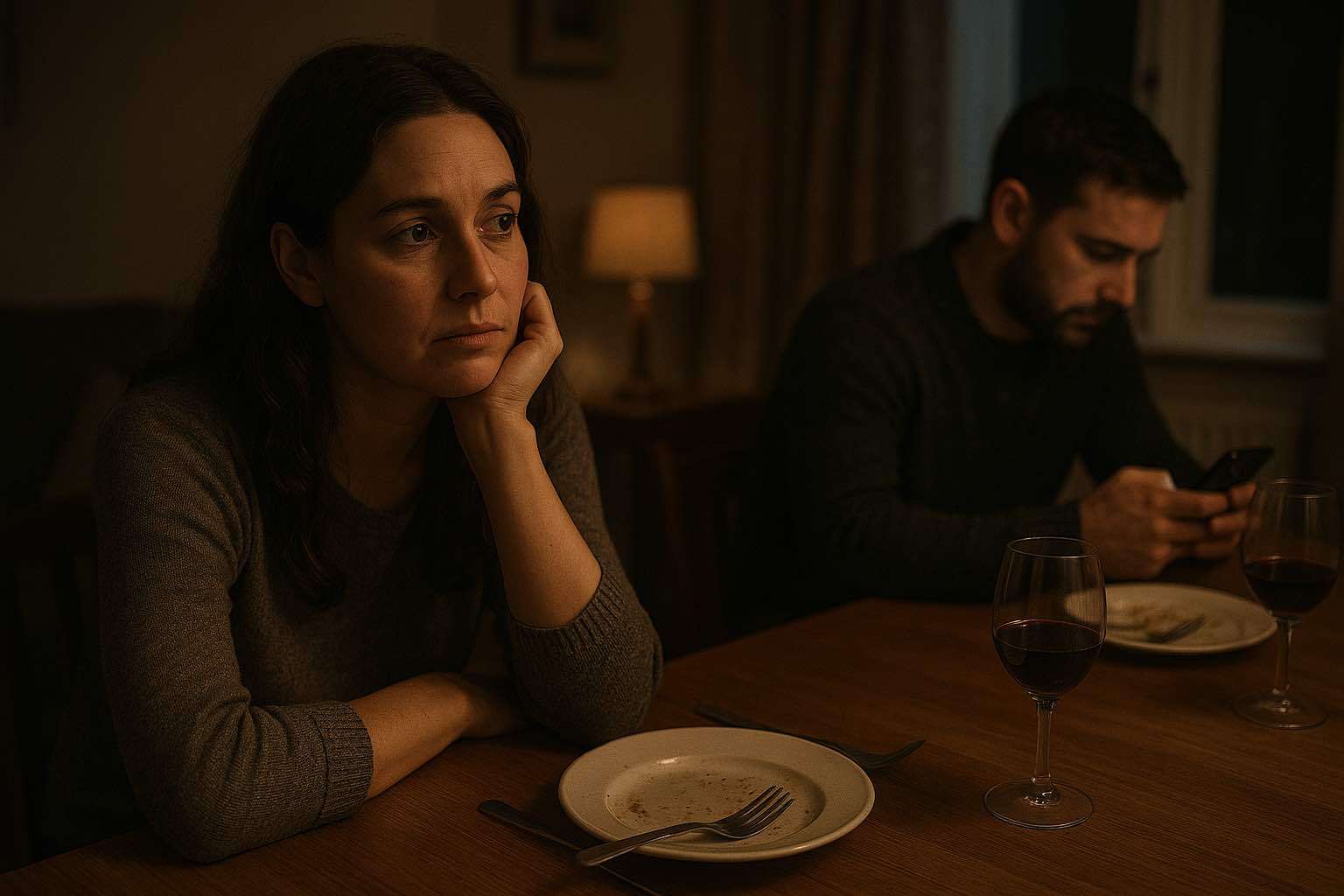
If you’ve ever looked across the dinner table at your partner and felt a million miles apart…
If you’ve ever laid in bed next to someone and still felt completely unseen…
If a parent navigating nappies, school runs, and sleepless nights, wondering how the two of you became more like flatmates than lovers…
Then this blog post is for you.
This final part of our four-part blog series explores the impact of disconnection and loneliness inside relationships, how it especially affects women and parents of young children, and importantly, what you can actually do about it.
If you’ve missed the earlier parts of this blog, it’s worth heading back to:
Part 1 - Understanding Loneliness and Disconnection: Why It Matters More Than Ever
Part 2 - Disconnection and Ways to Reconnect
Part 3 - The Impacts of Loneliness and Disconnection on Health
Part 4 - Disconnection and Loneliness Within Relationships - What to Do About It (this post)
Let’s Talk Honestly About Relationship Loneliness
It's one thing to feel lonely when you’re living solo. But what happens when you're lonely in a relationship, especially one that’s meant to be your safe place?
You’re not alone if you’ve felt this. According to a 2023 Relate UK study, 38% of people in relationships admitted to feeling lonely often or always, even when their partner was present. And for parents, especially mothers with young children, that number is often even higher and something I hear about daily in my clinic.
This kind of loneliness is particularly tough because it carries a kind of double burden:
- The pain of feeling emotionally disconnected from your partner,
- And the guilt or shame that comes with wondering if that means your relationship is failing, or if you are.
So, let’s be clear:
Feeling lonely in your relationship doesn’t mean you’re broken, your partner is broken, or your relationship is doomed.
It simply means something has become disconnected. And the good news? Disconnection can be repaired.
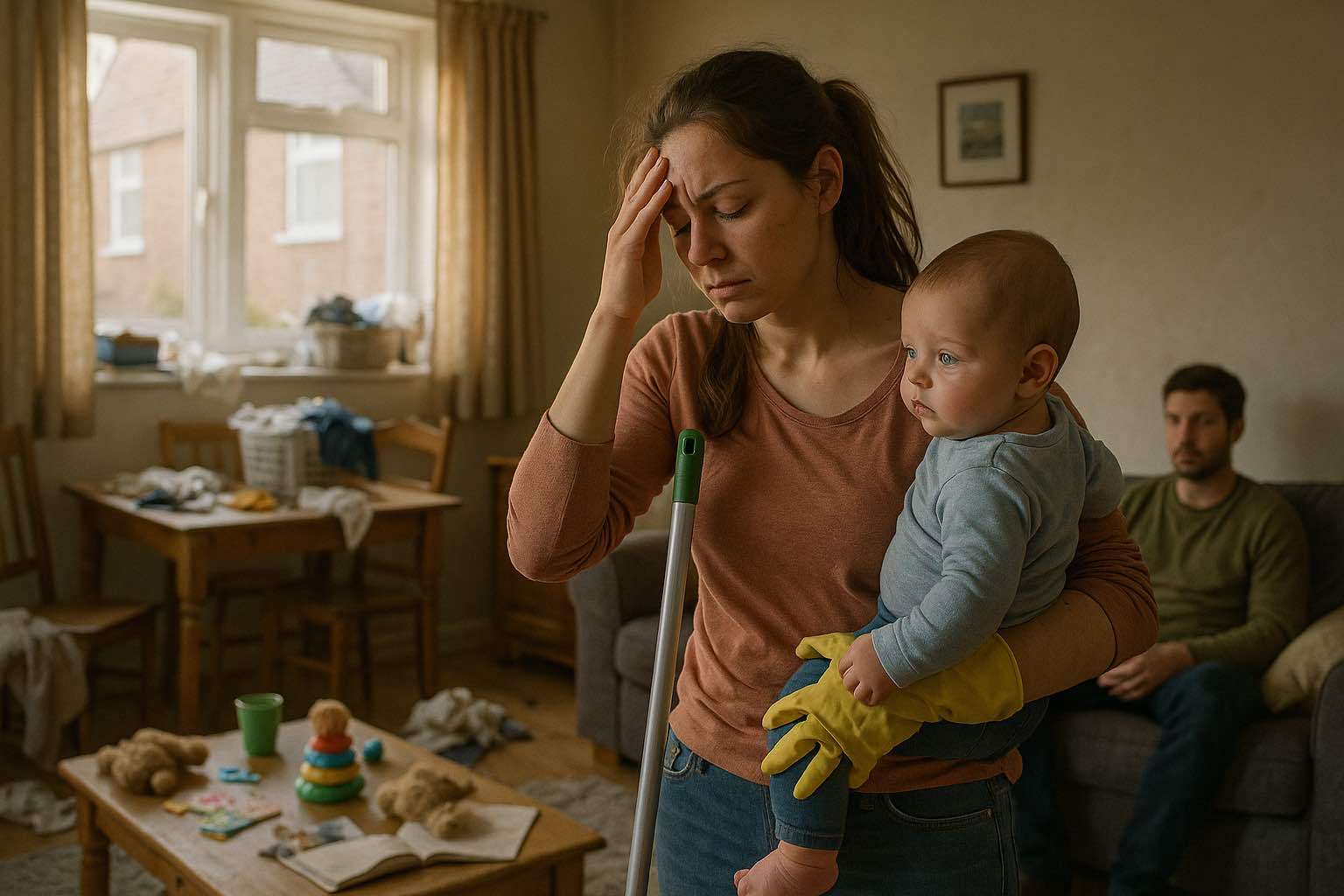
Why Parents, Especially Mums, Are So Vulnerable to Relationship Disconnection
Let’s not sugar-coat it - becoming a parent completely changes your world.
For many, this change often comes with:
- A loss of identity — You go from being a person with hobbies, dreams, and a social life to “Mum,” the snack-provider, car-seat fitter, and household CEO.
- Physical exhaustion — Whether it’s birth recovery, sleepless nights, or carrying mental loads, there’s rarely much left in the tank.
- Reduced intimacy — Physical or emotional intimacy often takes a backseat. Resentment can creep in if those needs go unmet.
- A shift in priorities — Conversations with your partner go from dreams and desires to: “Have you paid the nursery bill?” or “Who’s getting up with the baby tonight?”
All of this can create an emotional divide.
And when there’s no time or energy to reconnect, the gap just widens.
The Real Roots of Relationship Disconnection
Disconnection in a relationship rarely starts with something dramatic. Instead, it usually builds slowly over time, like a creeping fog. Here are some of the most common causes I see (and have experienced myself):
1. Losing touch with your individual self
You can’t connect deeply with another person if you’re completely disconnected from yourself. As we explored in Part 1, feeling disconnected often begins within, and it spills over into how we show-up in our relationships.
2. Assuming love is enough
Love is a feeling. But connection is an action. Many couples assume the presence of love will carry them through, but love, without attention, communication, or vulnerability, can easily become background noise and is rarely enough on its own.
3. Unequal personal growth
Sometimes one partner begins to work on their emotional well-being, attend therapy, or pursue self-development, and the other doesn’t. When one person is evolving and the other is staying stuck, that can create a misalignment in values and emotional availability.
4. Not feeling seen or appreciated
Feeling invisible, unacknowledged, or unappreciated (especially after giving so much to the household or family) is a silent relationship killer. For women, this is especially common and can feed resentment and emotional withdrawal.
5. Unresolved trauma or childhood wounds
Often, our adult relationship struggles are rooted in unhealed parts of our past. Attachment styles, triggers, and core wounds can cause repeated patterns, ones we don’t even realise we’re stuck in until we take a closer look.
What Does Disconnection Look Like in a Relationship?
You might be experiencing emotional disconnection with your partner if:
- You don’t talk about anything meaningful anymore.
- You feel more like co-parents or housemates than lovers.
- One or both of you avoid conflict, or the same argument happens on loop.
- Physical affection or sex feels like a distant memory.
- You fantasise about leaving -not because you don’t love your partner, but because you miss yourself.

So, What Can You Do About It?
Let’s walk through this in two parts:
Reconnecting with yourself and reconnecting with your partner.
🧠 Step 1: Reconnect with YOU
As we’ve talked about throughout this series, self-connection is the foundation of any healthy relationship. If you don’t know what you feel, need, or want, how can your partner?
Here are some suggestions to begin that reconnection:
- Journal regularly — Let your thoughts out. Ask yourself: how am I feeling? What do I need today?
- Voice note your feelings — Speak them out loud, even if just for yourself. It helps you process what’s happening inside.
- Meditate or use breathwork — To quiet the noise and hear your own intuition again.
- Explore Havening or other trauma-informed tools — These can help uncover the root of the emotional disconnection and regulate your nervous system.
You don’t have to “fix” everything at once. Just start listening to yourself again and be curious about what comes up, not judgmental.
💬 Step 2: Reconnect with Your Partner
Reconnection takes time, but even small, intentional actions make a difference:
- Start small conversations again that aren’t about logistics. Ask them: “What’s something you wish I knew about how you’re feeling lately?”
- Make eye contact when you talk, even if it's just for 30 seconds at breakfast.
- Show appreciation - Say thank you for the small things. Validation and warmth go a long way in rebuilding intimacy.
- Book in “connection time” - Not a date night necessarily, but even 15 minutes a week to check in emotionally.
- Go to therapy individually or together - A safe, neutral space to explore issues can do wonders.

Don’t Underestimate the Power of Compassion
As we round out this blog series, I want to leave you with this:
“Everyone you meet is fighting a battle you know nothing about. Be kind. Always.”
This applies especially to the people we live with, and to ourselves.
When we approach disconnection with compassion rather than blame, shame, or criticism, we invite change.
When we remember our partner may also feel overwhelmed, unsure, or emotionally lost, we open the door to empathy.
And when we allow ourselves to be imperfect and human, we soften the hard edges enough to begin healing.
In Summary
Loneliness inside relationships is real. It’s painful. And it’s a lot more common than we talk about - especially among women and parents of young children.
But it doesn’t have to stay that way.
If you’re feeling disconnected, you are not broken. You’re human. And you can rebuild the connection with yourself, and your partner, one step at a time.
Need a Hand With This? Let’s Talk.
If this blog series has stirred something in you, and you’d like support, whether online or in-person, please don’t hesitate to reach out.
📍 You can contact me at www.totalhealthphysiotherapy.com/contact
And if you’re looking for additional guidance, the Campaign to End Loneliness is a brilliant organisation offering resources and support
🔗 www.campaigntoendloneliness.org/feeling-lonely/helpful-links
Or check out these website:
www.jocoxfoundation.org
www.thelonelymillion.co.uk/loneliness-strategy
www.reengage.org.uk/
Be gentle with yourself. You’re doing better than you think.
With warmth,
You May Also Like...

Exhausted and Alone? Here’s Why So Many Mums Feel Burnt Out – And How to Cope
Exhausted but can’t slow down? Feeling numb but don’t know why? Learn why mums are more burnt out and lonely than ever—and how it’s impacting your health. This post will help you recognise the signs and reclaim your emotional wellbeing.

Lost Yourself in Motherhood? 5 Powerful Ways to Reconnect With You
Lost Yourself in Motherhood? 5 Powerful Ways to Reconnect With You Loneliness & Disconnection for Women and Parents in the UK, 4-Part Blog Series Part 1: Understanding Loneliness and Disconnection: Why It Matters More Than Ever Part 2: Disconnection and Ways to...

Why Do Mums Feel Lonely? The Answer Might Surprise You – And Bring You Comfort
You’re not broken—you’re just disconnected. Explore why so many mums feel lonely, even when surrounded by family. This honest, empowering post reveals the hidden truths of modern motherhood and how to begin finding yourself again.
0 Comments