

Women’s Health Physiotherapy – The Ultimate Wellness Guide
Why Women’s Health Physiotherapy Matters
From your teens through to later life, your body goes through extraordinary changes — hormonal cycles, pregnancy, childbirth, perimenopause, menopause, and everything in between. Each of these chapters places different demands on your muscles, joints, and pelvic floor.
Women’s Health Physiotherapy exists to help you understand and support your body through every one of them.
Whether you’re a new mum struggling with core weakness, an athlete aiming to train around your cycle, or someone who wants to feel confident and pain-free after menopause, this form of physiotherapy is designed around you — your anatomy, your hormones, and your life.

From the Clinic:
Sarah, 48
“I’d been putting up with bladder leaks for years. I thought I was doing my Kegels right, but it turned out I was over-tightening my pelvic floor. Within weeks of proper guidance from Nicky, I noticed a difference. Three months later, I was back running without leaks.”
Emma, 32
“After my second baby I couldn’t sneeze without leaking. Nicky helped me retrain my pelvic floor, rebuild my confidence, and return to exercise safely. I only wish I’d known this support existed sooner.”
Already curious about what happens during the assessment? Jump to What to Expect at Your First Appointment
What is Women’s Health Physiotherapy?
Women’s Health Physiotherapy (also called women’s physio or pelvic health physiotherapy) is a specialist branch of physiotherapy that focuses on the physical health and wellbeing of women throughout their lifespan.
It covers everything from:
- Pelvic floor care and continence
- Pregnancy and postnatal recovery
- "Tummy Gap" or Diastasis Recti recovery
- Hormonal changes through perimenopause and menopause
- Pelvic pain and sexual dysfunction
- Core strength, posture, and bone health
- Recovery after surgery such as C-section, hysterectomy, or prolapse repair
- C-section scar release
This is about empowerment through understanding your body, not just treatment when things go wrong.
How It Differs from General Physiotherapy
A general physiotherapist might look at your back pain in isolation.
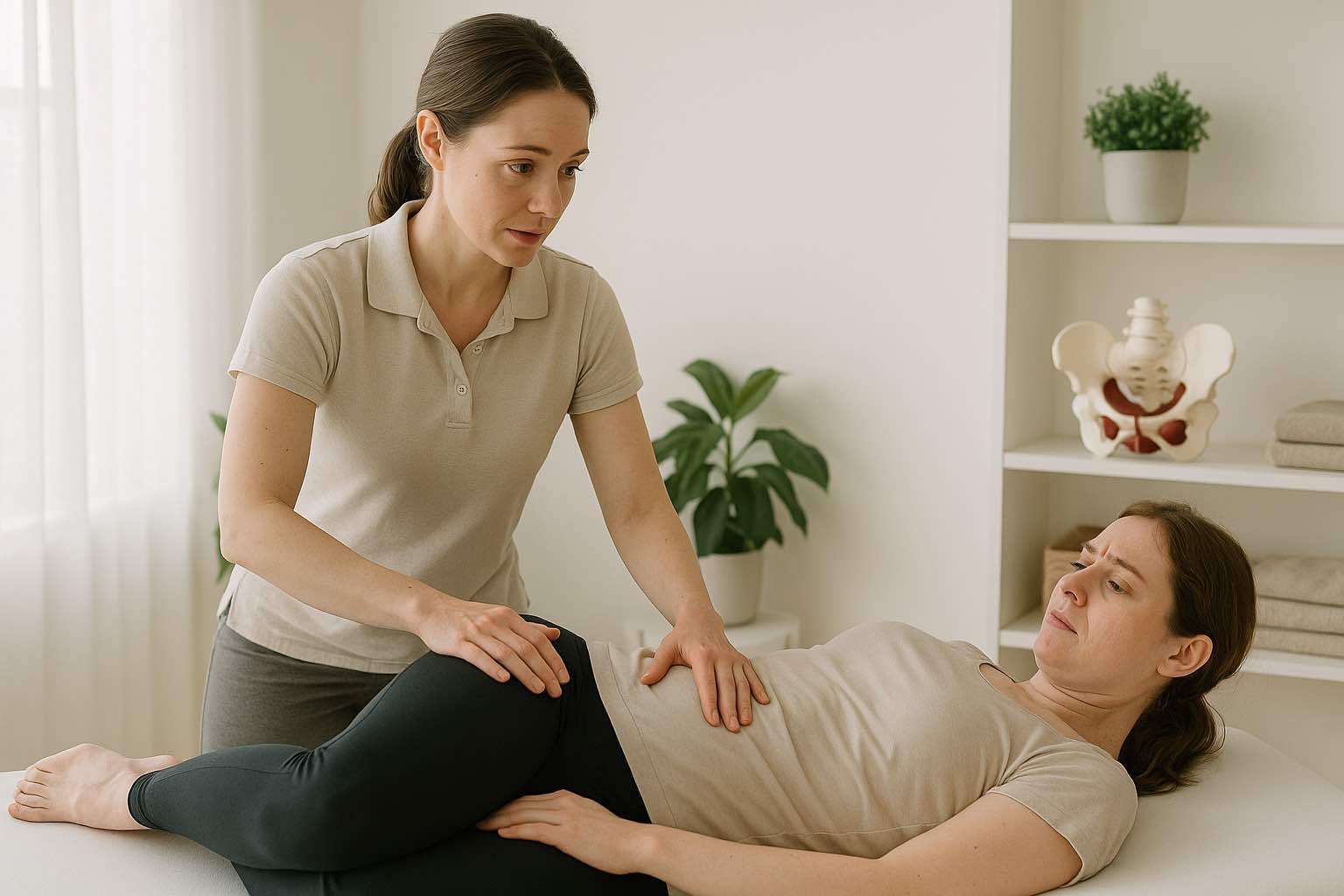
A women’s health physiotherapist looks at how your back interacts with your core, pelvic floor, hormones, and even breathing patterns — because all these systems work together.
Pro Tip:
If you’ve been given standard “core exercises” but they don’t seem to help — it may be that your pelvic floor or breathing mechanics need addressing first. That’s where a women’s health physio can make all the difference.

When to See a Women’s Health Physiotherapist
You don’t need to wait for major symptoms. In fact, women’s health physiotherapy can be both preventative and restorative.
Common Reasons Women Book Appointments
- Leaking urine when you cough, sneeze, or exercise
- Pelvic heaviness or prolapse symptoms
- Core weakness or “mummy tummy” after pregnancy
- Pain during sex
- Back, hip, or pelvic pain
- Pain when opening your bowels (having a poo)
- Recovery after surgery
- Bone health concerns
- Guidance for returning to sport or exercise
- Posture or joint pain linked to desk work or childcare
What to Expect at Your First Appointment
Your first session is about understanding you.
Expect a warm, professional environment and a whole-body approach.
- Discussion – Medical, gynaecological, and lifestyle history.
- Assessment – Posture, movement, breathing, and pelvic floor evaluation (with consent).
- Education – You’ll learn what’s happening in your body and why.
- Plan – Personalised exercise, treatment, and lifestyle advice.
Pro Tip:
Bring a list of your symptoms, no matter how small or “embarrassing”. A good women’s health physio has heard it all — and will help without judgement.
Treatment Approaches in Women’s Health Physiotherapy
1. Pelvic Floor Therapy
- Teaches proper muscle activation (many people over-tense rather than strengthen).
- Releases tight, overactive muscles
- Builds long-term control and strength for continence and confidence.
3. Exercise Prescription
- Gentle, progressive strengthening for the core, hips, and back.
- Tailored routines for pregnancy, postnatal, or menopausal stages.
- Mobility and stretching for balance and comfort.
2. Manual Therapy
- Soft-tissue release for tension or scarring.
- Joint mobilisation to improve flexibility.
- Scar massage (C-section, episiotomy, or hysterectomy scars).
4. Education & Lifestyle Coaching
- Guidance on posture, movement, and workplace ergonomics.
- Sleep, stress, and hydration advice.
- Habit-building for sustainable improvement.
From the Clinic:
Julia, 61
“After menopause I developed hip pain and bladder urgency. I thought they were unrelated until my physio explained how pelvic floor tension can cause both. It was life-changing.”
Mini-Guides to Women's Health Physiotherapy
Women’s Health Physiotherapy During Pregnancy
Goals:
- Prepare the body for birth.
- Manage back or pelvic pain.
- Teach pelvic floor and breathing strategies for labour.
- Prevent postnatal issues.
Typical Treatments:
- Pelvic floor and core activation exercises.
- Support belts or tape for pelvic girdle pain.
- Safe mobility work.
Pro Tip:
Learning pelvic floor relaxation (not just tightening) before birth can make delivery and recovery much easier.
Postnatal Women’s Health Physiotherapy
The Postnatal Body Needs Rehab — Not Just Rest.
- Assessment for diastasis recti (abdominal separation).
- Pelvic floor recovery for continence and prolapse prevention.
- Guidance on returning to exercise safely.
Key Exercises:
- Gentle core engagement (deep abdominal breathing).
- Glute and hip strengthening.
- Low-impact cardio like walking or swimming.
From the Clinic:
Sam, 28
“I rushed back to running six weeks after birth and made my pelvic floor worse. My women’s physio taught me how to rebuild gradually — now I’m stronger than ever.”
Women’s Health Physiotherapy and Menstrual Health
Fluctuating hormones can affect joint laxity, pain sensitivity, and energy levels.
Women’s health physios help tailor exercise and movement strategies to your cycle — reducing pain and maximising performance.
Common Concerns:
- Period-related lower back pain.
- Exercise intolerance in the luteal phase.
- Adenomyosis and Endometriosis-related pelvic pain.
Physio Focus:
- Gentle mobility work.
- Pain-modulation strategies.
- Education on cyclical exercise planning.
Women’s Health Physiotherapy and Perimenopause/Menopause
This stage brings hormonal changes affecting:
- Muscle mass and bone density.
- Pelvic floor tissue strength.
- Joint stiffness and balance.
Physio Goals:
- Maintain muscle and bone strength through resistance exercise.
- Support pelvic health and bladder control.
- Manage aches, stiffness, and fatigue.
Pro Tip:
Weight training isn’t just for athletes — it’s one of the best tools for protecting bone and muscle health after 40.
Women’s Health Physiotherapy for Later Life
In later life, the focus shifts to mobility, independence, and confidence.
Common Concerns:
- Falls prevention.
- Osteoporosis management.
- Balance and coordination.
- Post-surgical rehabilitation (hip, knee, hysterectomy).
Physio Approach:
- Strength and balance programmes.
- Postural training.
- Safe functional movement practice.
From the Clinic:
Diane, 74
“I started physio after a small fall. Within weeks, I was steadier, stronger, and not afraid of walking outside anymore.”
Pelvic Health Deep Dive
Pelvic health is at the heart of women’s physiotherapy.
These muscles don’t just control continence — they support your organs, stabilise your spine, and even influence breathing.
Signs You Might Need Pelvic Floor Support
- Bladder leaks.
- Pelvic heaviness or bulging.
- Pain during sex.
- Difficulty starting or emptying your bladder.
Treatment May Include:
- Pelvic floor assessment and training.
- Breathing retraining.
- Postural correction.
- Lifestyle guidance (hydration, bowel habits, etc.).
Pro Tip:
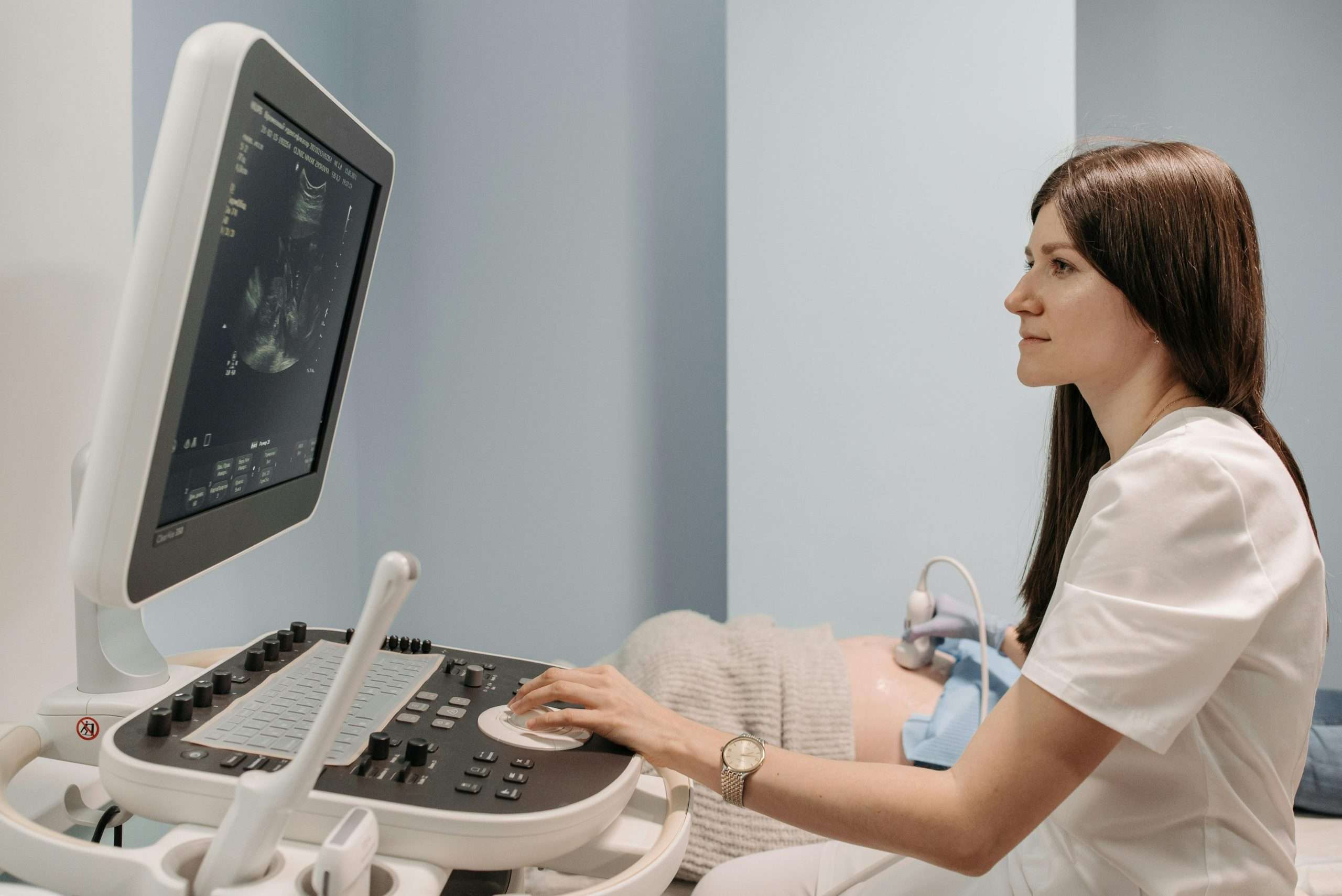
You should be able to contract your pelvic floor and relax it. Constant tightening is as unhelpful as weakness.
Chronic Pelvic Pain & Endometriosis
A women’s health physio plays a key role in managing chronic pelvic pain and endometriosis through:
- Gentle movement and stretching to reduce tension.
- Scar and fascial release techniques.
- Relaxation and breathwork for pain control.
From the Clinic:
Leah, 36
“My physio helped me reconnect with my body instead of fearing it. Pain no longer rules my life.”
Preventative Women’s Health Physiotherapy
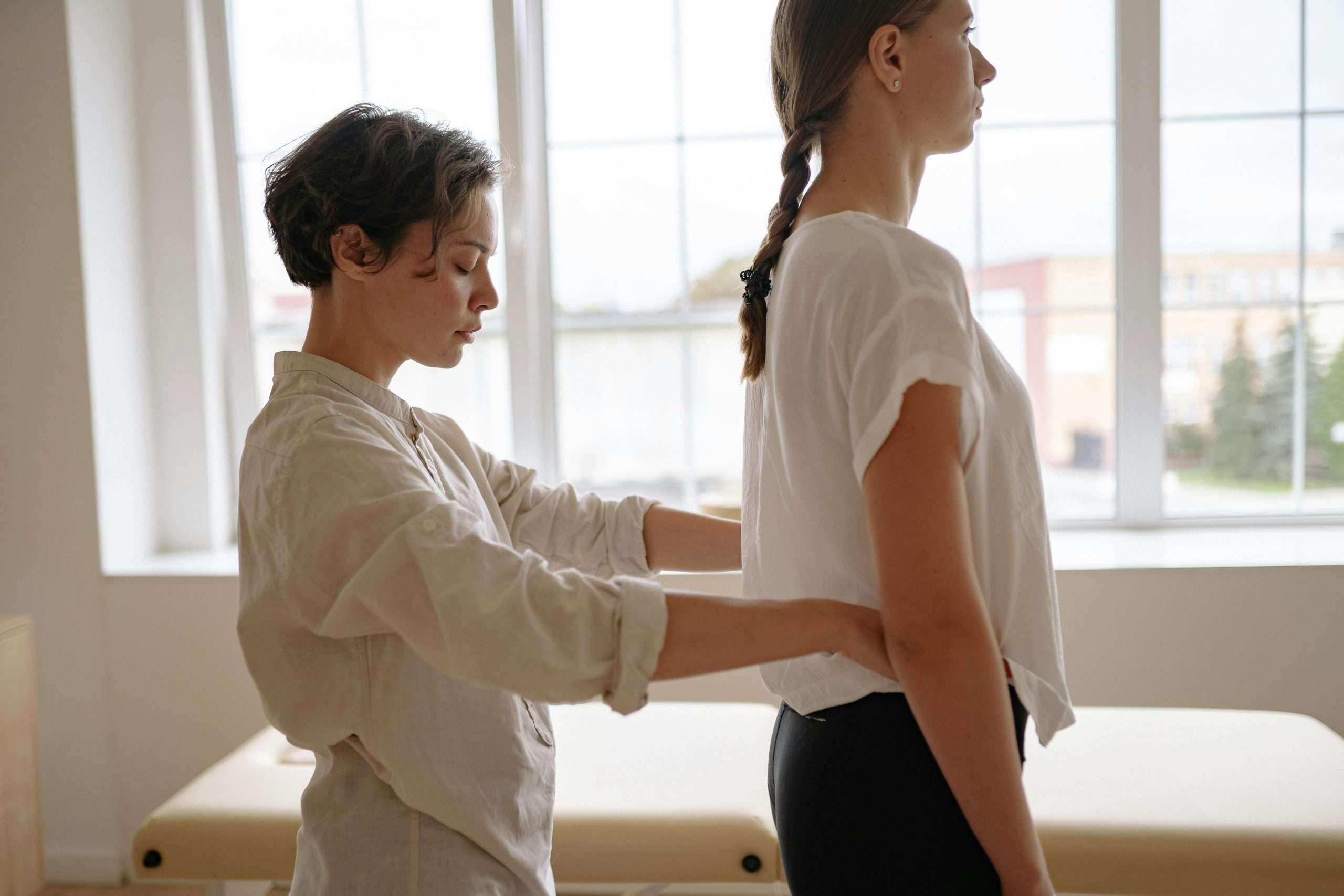
Even if you have no symptoms, check-ins every year or two can keep you feeling strong and confident.
Preventative Benefits:
- Early detection of weakness or imbalance.
- Advice for exercise and lifestyle changes.
- Tailored support through hormonal transitions.
The Mind-Body Connection
Women’s health physiotherapy recognises that emotional wellbeing, body image, and physical health are inseparable.
Pelvic issues often affect confidence, intimacy, and social participation — and physio can help restore all three by giving you control and understanding.
Finding the Right Women’s Health Physiotherapist
- Postgraduate qualifications in women’s health or pelvic health.
- Membership of professional bodies (e.g. CSP and POGP in the UK).
- A practitioner who listens, explains, and empowers.
Self-Care at Home
Daily Movement
- Aim for 30 minutes of movement a day.
- Mix strength, balance, and mobility.
Pelvic Floor Routine
- Short squeezes for quick response.
- Long holds for endurance.
- Pelvic floor stretches.
Posture & Breathing
- Relax shoulders, engage core gently, breathe into the ribs.
Hydration & Nutrition
- Stay hydrated; dehydration can irritate the bladder.
- Balanced diet for muscle and bone health.
Pro Tip:
Use reminders on your phone for pelvic floor exercises — consistency turns them into habit.
Myths & Misconceptions About Women’s Health Physiotherapy
“It’s only for mums.”
False. Every woman can benefit — regardless of childbirth history.
“You need a GP referral.”
You can usually self-refer directly.
“Pelvic floor issues are just part of ageing.”
They’re common, not normal and not only are they treatable, they're often reversible.
Real Stories, Real Change
- “I went from avoiding trampolines to jumping with my kids again.” – Rachel, 39
- “After years of back pain, I finally realised it wasn’t my back — it was my core and pelvic floor.” – Priya, 45
- “I thought intimacy after menopause was impossible. My physio proved me wrong.” – Helen, 56
Conclusion: You Deserve to Feel Strong, Comfortable, and Confident
Your body is not broken — it’s adaptable.
With the right knowledge and support, it can recover, strengthen, and thrive at any age.
Women’s Health Physiotherapy gives you the understanding and tools to support your body — whether that’s healing from birth, navigating hormonal changes, or simply moving without pain.
You don’t need to wait until something feels “wrong.”
Start now — your future self will thank you.
Helpful Resources
- Pelvic Obstetric and Gynaecological Physiotherapy (POGP) – pogp.csp.org.uk
- Chartered Society of Physiotherapy (CSP) – csp.org.uk
- Women’s Health Concern – womens-health-concern.org
- Pelvic Floor Society – pelvicfloorsociety.co.uk
You May Also Like...

Cranial Sacral Therapy: A Gentle, Whole-Body Approach to Healing and Reconnection
Cranial Sacral Therapy: A Gentle, Whole-Body Approach to Healing and Reconnection When Something Feels Off… But You Can’t Quite Explain Why Have you ever felt like your body just isn’t quite right… but you can’t put your finger on why? You might feel tense but not...
Havening: A Complete Guide to Gentle, Science-Backed Emotional Healing
Havening: A Complete Guide to Gentle, Science-Backed Emotional Healing Havening Therapy for When You’re Holding It All Together… But Inside You Feel Overwhelmed If you’ve found yourself searching for Havening, you’re probably not just curious. You might be feeling...
Physiotherapy: The Ultimate Guide to Musculoskeletal (MSK) Physiotherapy
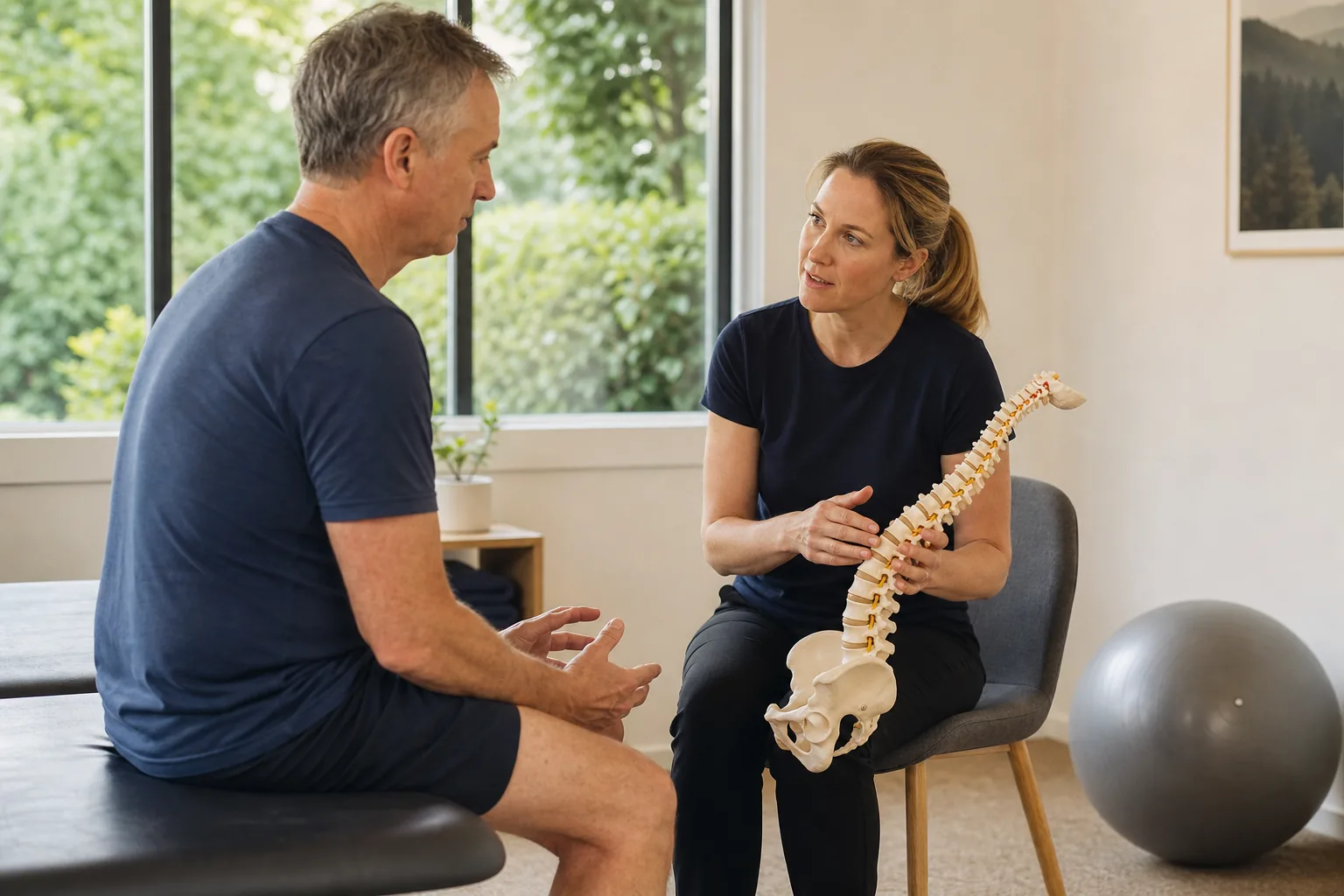
Physiotherapy: The Ultimate Guide to Musculoskeletal (MSK) Physiotherapy You’ve probably noticed it creeping in gradually — the ache in your lower back after a long day at your desk, the stiffness in your knees when you stand up from the car, or the shoulder pain that...
0 Comments